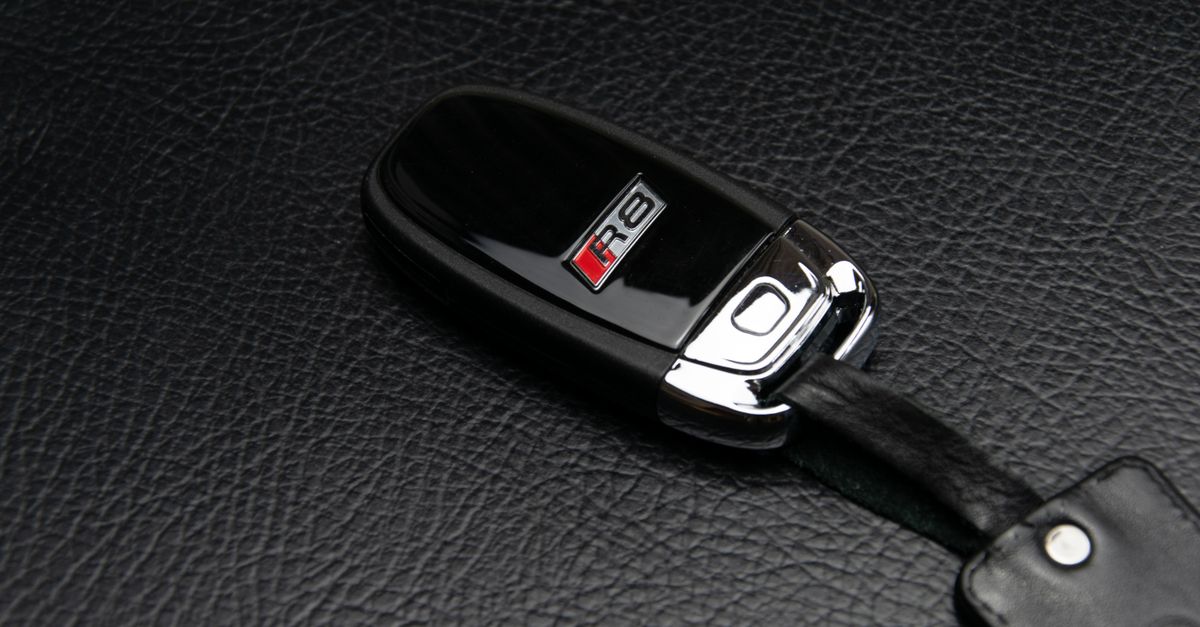
Audi Key Technology: Why Replacement Is More Complex Than Most Vehicles
Audi has used several generations of key technology, and each generation adds layers of security that make replacement more involved. Older Audi models used basic transponder keys — a chip embedded in the key head that communicates with the car's immobilizer. If the chip is absent or unprogrammed, the engine simply won't start. Mid-generation Audis introduced switchblade-style remote keys that combine a physical cut blade with a built-in fob for lock and unlock functions. More recent models use proximity smart keys — also called comfort keys — that allow push-button ignition without ever removing the key from your pocket, relying on encrypted rolling-code communication between the fob and the vehicle's control modules.
Each of these systems requires not just a correctly cut key blade (where applicable) but also precise electronic programming matched to your specific vehicle identification number. Our technicians use professional-grade key programming tools to read, clone, or generate the correct transponder or proximity data and write it to the new key — all on the spot. This is not a generic process; Audi's immobilizer systems are among the most security-conscious in the industry, and our team is trained specifically on their protocols.