How Transponder Key Programming Actually Works on NYC Streets
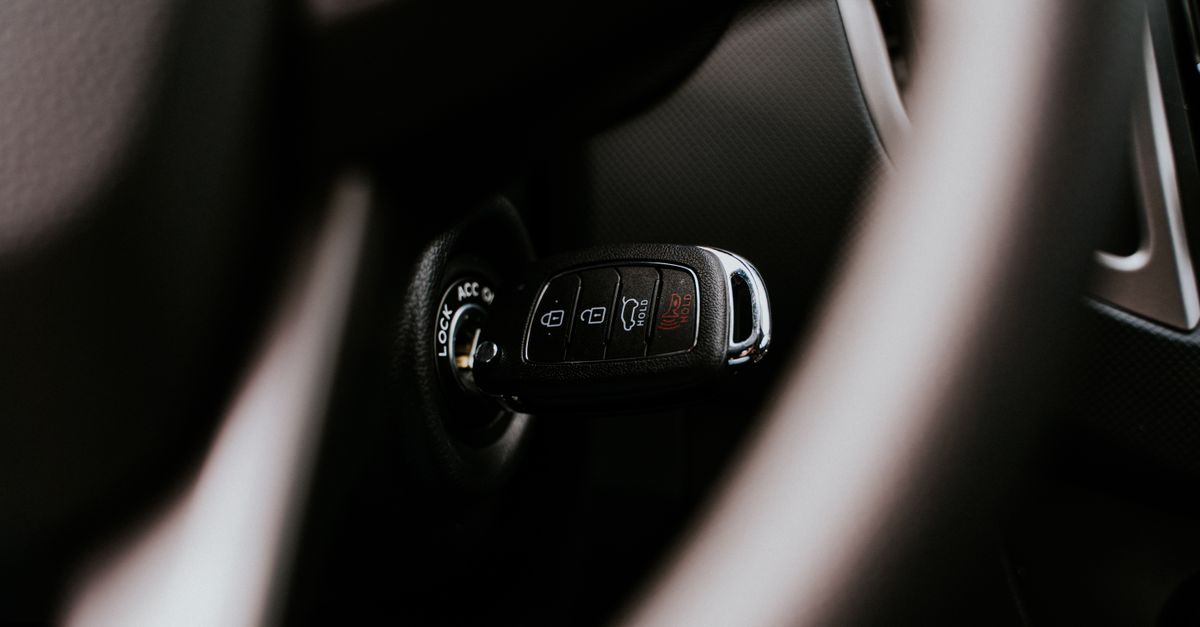
A transponder key contains a tiny radio-frequency identification chip embedded in the plastic head of the key. When you insert the key and turn the ignition, the vehicle's immobilizer unit sends out a radio signal. The chip in the key must respond with a matching code — if it doesn't, the engine won't start, even if the blade cuts perfectly. This is a deliberate anti-theft measure, and it works well, but it also means that a newly cut key blank is useless until it's electronically programmed to match your specific vehicle's ECU. Our technicians use OEM-level diagnostic and programming tools to complete this process directly at your location, typically in under an hour for most vehicle types.
The process requires specialized hardware and software that reads the vehicle's onboard system, generates the correct cryptographic handshake, and writes the new key code — all without damaging your car's electronics. Because we carry this equipment in our mobile service units, there's no reason to have your vehicle towed to a dealership. For New Yorkers who depend on their cars for daily commutes, shift work, or rideshare driving, that difference in turnaround time is significant. Depending on your vehicle's make, model, year, and the type of transponder system it uses, the complexity — and therefore the time required — can vary. Before any work begins, we confirm an exact up-front price so you know precisely what you're agreeing to.