4th Ave Locksmith Service Team
Local locksmith team
Jun 15, 2026 11 min read
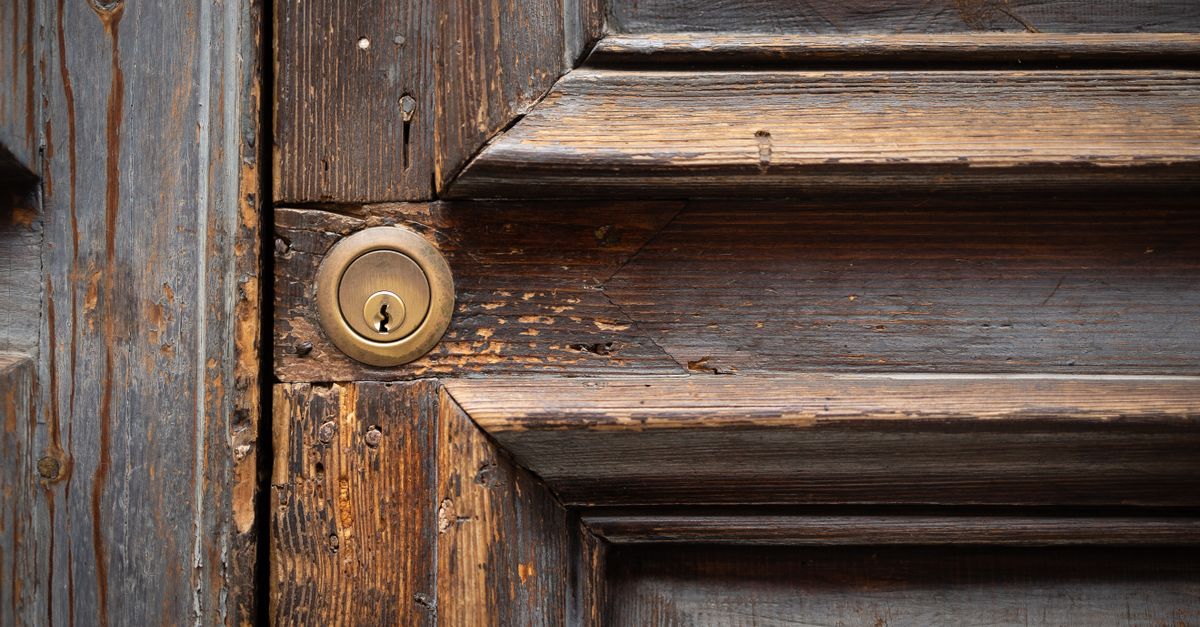
If you've ever moved into a prewar apartment on the Upper West Side, Carroll Gardens, or along a grand old block in Washington Heights, you've probably encountered a lock that looks nothing like the simple knob-and-deadbolt combo on a modern door. The hardware is heavier, the keyhole is an elegant oval slot, and the whole mechanism seems to live inside the door itself rather than bolted onto its face. What you're looking at is a mortise lock — and in New York City, it's far more than a vintage curiosity. It's the backbone of security in tens of thousands of apartment buildings constructed before World War II.
Understanding what a mortise lock is, why Manhattan's housing stock relies on it so heavily, and how to know when yours needs professional attention can save you from a lockout, a break-in, or an unnecessary full-door replacement. This guide breaks it all down in plain language, with practical advice from our team at 4th Ave Locksmith — a 24/7 mobile locksmith serving New York, NY and the surrounding boroughs.
## What Is a Mortise Lock — and How Does It Differ from a Standard Lock?
A mortise lock is a complete locking mechanism housed inside a rectangular pocket — the 'mortise' — that is chiseled directly into the edge of the door. Unlike a cylindrical lock (the type most common on newer residential doors, where a bored hole holds a simple latch), a mortise lock set integrates multiple functions into one steel case: a spring latch for pulling the door shut, a deadbolt for security, and often a privacy function, all operated through a single elegant faceplate. The visible hardware on the face of the door — the lever or knob, the trim plate, the keyhole escutcheon — is essentially just the control interface. The real work happens inside the door.
That distinction matters enormously for durability. Because the lock body is recessed and protected by the door's own wood or steel, mortise lock mechanisms are far less exposed to the mechanical stress and weather that wears down surface-mounted hardware. A quality mortise lock set on an exterior door — properly maintained — can outlast the building's carpeting, its boiler, and quite possibly several owners. Brands like Corbin Russwin and Baldwin built their reputations on exactly this longevity; a Corbin Russwin mortise lock installed in a 1920s Bronx apartment building or a Baldwin mortise lock on a Park Slope brownstone entryway may still be in serviceable condition today with only occasional cylinder replacements and lubrication.
## Why NYC Prewar Buildings Are Full of Mortise Lock Hardware
New York City's housing boom of the 1890s through the 1940s produced an enormous volume of residential construction — the six-story walk-ups of Harlem, the limestone-fronted cooperatives along Central Park West, the red-brick apartment houses of the outer boroughs. Builders and architects of that era specified mortise lock sets almost universally, partly because cylindrical boring technology wasn't yet standardized, and partly because mortise hardware simply represented the premium choice for security and smooth operation. Cast-iron and solid-brass mortise cases were installed in door after door, and because New York City's building stock turns over slowly — especially in rent-stabilized or landmarked buildings — that hardware is still there.
There's also a practical preservation reason: swapping a mortise lock for a modern cylindrical lock requires filling the mortise pocket, reinforcing the door edge, and often replacing the door slab entirely if the wood has been weakened. In a prewar building with original solid-wood doors, that's expensive, disruptive, and potentially subject to landmark or co-op board restrictions. So landlords and homeowners maintain the existing mortise hardware. The result is that if you live in or manage a pre-1950 New York building, you're almost certainly dealing with a mortise lock — and you need a locksmith who understands them, not someone who only works with the cylindrical hardware found in suburban tract homes.
## Repair or Replace? Reading the Signs on Your Mortise Lock
Most mortise lock problems fall into a handful of recognizable categories, and experienced locksmiths can usually diagnose the right course of action quickly. A stiff or non-retracting latch is often a lubrication issue or a worn cam — the internal lever that connects the knob or lever handle to the latch bolt. A key that turns reluctantly or not at all usually points to a mortise lock cylinder problem: worn pins, a cracked plug, or a cylinder that has simply reached the end of its service life after decades of daily use. In both cases, targeted repair or a cylinder swap is almost always preferable to full replacement, preserving the original door and hardware. If you're in this situation and need help fast, call (646) 736-2918 — our team is available around the clock.
Replacement becomes the right conversation when the mortise case itself is cracked or warped (common in doors that have swelled repeatedly from moisture), when the lock has been forcibly defeated and the internal components are bent, or when a building is upgrading security across all units and wants modern key control through a rekeyed master system. For mortise lock set exterior door installations on ground-floor apartments or building entrance doors, we often recommend upgrading the cylinder to a high-security option with restricted keyways — keys that cannot be duplicated at a hardware store — while keeping the original mortise case in place. This gives you contemporary security without destroying irreplaceable original hardware.
## Door Knob Lock, Cylinder Upgrades, and What New Yorkers Actually Need
One of the most common questions we get is whether a door knob with lock and key is sufficient on a New York apartment door, or whether a separate deadbolt is required. The short answer: New York City's Administrative Code (MDL §51-c) requires that every apartment entrance door be equipped with a self-closing mechanism and a lock with a minimum of three tumblers. A well-maintained mortise lock satisfies this requirement when the deadbolt component is functional — but if your building's mortise units have had the deadbolt function bypassed or removed over the years (more common than you'd think), you may be out of compliance and out of security. This is exactly the kind of detail a professional locksmith assessment uncovers before it becomes a landlord citation or, worse, a break-in.
For tenants and owners who want to layer additional security on top of existing mortise hardware, options include a secondary rim cylinder deadbolt (the Fox Lock, historically popular in NYC), door reinforcement plates over the latch edge, and upgraded strike plates with longer screws that anchor into the door frame stud rather than just the jamb wood. Our locksmiths work across all five boroughs — from ground-floor apartments near the elevated rail lines in Woodhaven, Queens, where street-level break-ins are a real concern, to high-floor units in Midtown where the main vulnerability is a worn cylinder that copies of keys have been cut against for thirty years.
## What to Expect from a Professional Mortise Lock Service Call — Including Cost Factors
A frequent question — sometimes phrased as 'how much does an NYC locksmith cost?' or 'what is the average call-out fee for a locksmith?' — deserves a straight answer even if the number itself varies. Here's how pricing for mortise lock work is actually determined: the type and age of the lock (a common Corbin Russwin mortise lock cylinder is different to source and fit than an obscure European import), the time of day (emergency locksmith calls at 2 a.m. have different logistics than a scheduled afternoon appointment), travel distance within the metro area, and whether the job requires parts — a new cylinder, a replacement mortise case, or new trim hardware. At 4th Ave Locksmith, we confirm an exact price up front before any work begins, so there are no invoice surprises when the job is done.
For the practical question of 'how much does an emergency locksmith cost near me?' — the answer in NYC is shaped by those same factors, plus the reality of city operating costs that simply don't apply in smaller markets. What we can promise is transparency: you'll know the full price before we touch the lock. Our mobile locksmiths carry a wide inventory of mortise lock cylinders, cases, and trim hardware on the vehicle, which means most repair and rekey jobs are completed in a single visit without waiting for parts to be ordered. Whether it's a routine rekey after a tenant change in a Flatbush six-unit building or an emergency lockout at midnight on the Upper East Side, the process is the same: arrival, honest assessment, confirmed price, professional work.
## 25+ Mortise Lock and Locksmith Services We Provide Across New York
4th Ave Locksmith is a fully mobile, 24/7 operation serving all five boroughs and the broader New York metro area. Our locksmith services span residential, commercial, and automotive needs — with particular depth in the prewar residential hardware that defines so much of NYC's housing stock. Here's a representative look at what our team handles every day: mortise lock repair and service; mortise lock cylinder replacement and rekey; mortise lock set installation on exterior and interior doors; high-security cylinder upgrades for existing mortise cases; master key system design and implementation for multi-unit buildings; full mortise lock set replacement when cases are damaged beyond repair; Baldwin mortise lock installation and service; Corbin Russwin mortise lock repair and parts sourcing; rim cylinder deadbolt installation (Fox Lock and equivalents); door knob with lock and key replacement and rekey; residential lockout response (apartment and house); commercial lockout response (office, retail, storefront); car lockout service; automotive key cutting and programming; transponder key replacement; key fob repair and replacement; ignition lock cylinder repair; safe opening and combination change; file cabinet and desk lock service; door frame and strike plate reinforcement; lock replacement after break-in or forced entry; building master rekey for landlords and property managers; access control consultation for small commercial properties; sliding door and window lock installation; mailbox lock replacement; and padlock and chain installation for storage units, gates, and basement doors.
Our team takes pride in genuine familiarity with New York's built environment — we know the difference between the hardware on a 1910 Harlem brownstone and a 1940s Flushing apartment house, and we carry both. That local knowledge is what separates a locksmith who serves New York from one who merely visits it.
Frequently asked questions
What is a mortise lock, and can it be rekeyed without replacing the whole unit?+
A mortise lock is a locking mechanism set into a pocket (mortise) cut into the door's edge, integrating a latch and deadbolt into one case. In the vast majority of cases, yes — only the mortise lock cylinder needs to be replaced or rekeyed, leaving the original case, trim, and door completely intact. This is the preferred approach on NYC prewar doors where the original hardware is worth preserving.
Does New York require a locksmith license, and how do I know I'm hiring a qualified professional?+
New York State does not currently have a statewide licensing requirement for locksmiths, but New York City requires locksmiths operating commercially within the five boroughs to hold a valid NYC Locksmith License issued by the Department of Consumer and Worker Protection. When hiring any locksmith, ask whether they hold the appropriate local license, confirm they are insured, and verify they will provide a written price before starting work. At 4th Ave Locksmith, our team is trained, experienced, and insured, and we always confirm pricing upfront.
My apartment key turns stiffly and the deadbolt sometimes doesn't throw fully — is this a cylinder problem or something deeper in the mortise case?+
Both symptoms you describe can result from a worn cylinder (the plug or pins are fatigued), but a deadbolt that doesn't fully extend often points to internal mortise case wear — specifically a worn cam or a case that has shifted slightly in the door over decades of use. A professional mortise lock inspection can distinguish between the two within minutes. If it's the cylinder, a same-visit replacement solves it. If the case internals are worn, we'll explain your repair versus replacement options with a clear price before any work begins. Call (646) 736-2918 any time — we're available 24/7.
How much should an emergency locksmith cost for a mortise lock job in NYC?+
There's no single fixed answer, because the final price depends on several real variables: the specific mortise lock model and whether parts are needed, the time of day (an after-hours emergency locksmith call involves different logistics than a daytime appointment), your location within the metro area, and the scope of work — a simple lockout differs from a cylinder replacement or a full mortise lock case swap. What we guarantee is that you'll receive an exact, agreed-upon price before we begin any work. No surprise charges at the end of the job.